How to Start a Gratitude Journal: A Simple Guide for Beginners
Starting a gratitude journal is a simple yet powerful way to improve your well-being and cultivate a more positive outlook on life. By regularly writing down things you appreciate, you can increase your awareness of the good around you and shift your focus away from stress or negativity. If you’re new to journaling or unsure how to begin, this step-by-step guide will help you create a gratitude practice that fits your lifestyle.
What Is a Gratitude Journal?
A gratitude journal is a personal diary where you record things you are thankful for. These can be big or small moments, people, experiences, or even simple pleasures. The goal is to pause each day, reflect on positive aspects of your life, and write them down. Over time, this habit can help you develop greater appreciation and resilience.
Benefits of Keeping a Gratitude Journal
Before diving in, it’s motivating to know why gratitude journaling is worth your time. Research and user experiences have shown that keeping a gratitude journal can:
– Increase feelings of happiness and contentment
– Reduce stress and improve mental health
– Enhance sleep quality by calming the mind
– Strengthen relationships through greater appreciation
– Promote a positive mindset and resilience during challenges
Even just a few minutes a day can create noticeable changes in your mood and overall outlook.
Choosing Your Journal
Traditional or Digital?
You can keep your gratitude journal in a physical notebook, a planner, a diary app, or a simple document on your computer. Consider what format feels easiest and most enjoyable for you. Some people love the tactile experience of writing by hand, while others prefer typing for convenience.
Pick a Comfortable Spot
Have your journal nearby in a quiet, comfortable place where you won’t be easily distracted. A cozy nook, a favorite chair, or your bedside table can become your journaling spot.
When and How Often to Write
Consistency matters more than length. Aim to write daily or several times a week. You can start with just 5 minutes per session. Many people find writing in the morning helps set a positive tone for the day, while others prefer reflecting at night to end the day on a good note.
What to Write in Your Gratitude Journal
Start Simple
Begin by writing 3-5 things you’re grateful for right now. These can be:
– A kind gesture from a friend
– The taste of your morning coffee
– A sunny day
– Feeling healthy or safe
Be Specific and Personal
Instead of general phrases like “I’m grateful for my family,” try specifics such as “I’m grateful my sister called me today because it made me feel supported.”
Include Why
Adding why you appreciate something deepens your reflection. For example: “I’m grateful for my morning walk because it helps clear my mind and energize me.”
Mix Big and Small
No gratitude is too small. Some days you might write about important life events, while other days the little details like a good book or a pet’s affection matter most.
Tips for Maintaining Your Gratitude Journal Habit
– Set a Reminder: Use phone alarms or calendar prompts to build the habit.
– Keep It Visible: Leave your journal somewhere you’ll see it daily.
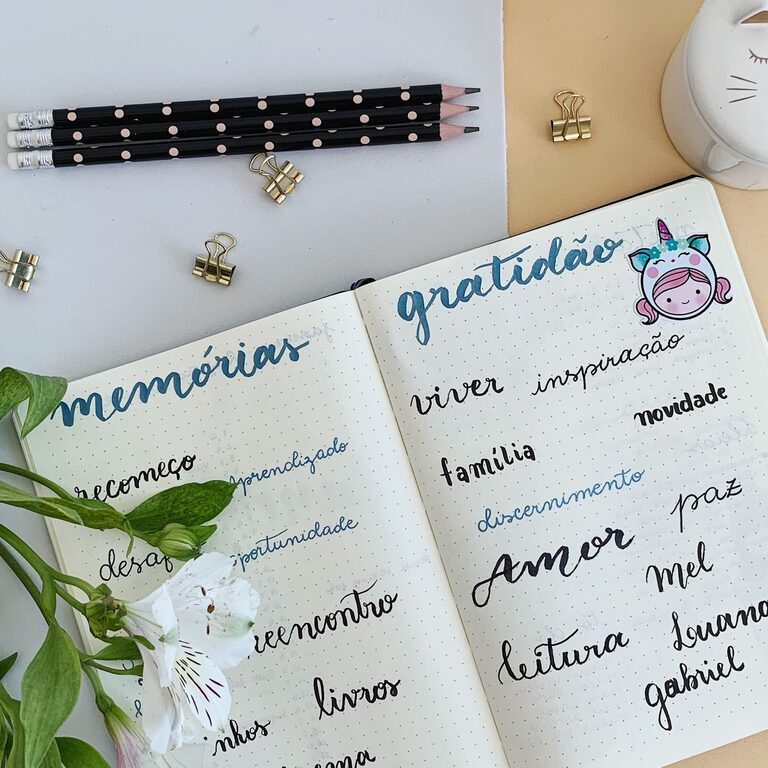
– Make It Enjoyable: Use colored pens, stickers, or drawings if you like.
– Don’t Stress Perfection: Your journal is for you, not anyone else. There’s no right or wrong way.
– Reflect Back: Occasionally read previous entries to see your progress and lift your spirits.
Overcoming Common Challenges
– I don’t have time: Even 2-3 minutes is enough. Try combining journaling with another routine, like after brushing your teeth.
– I’m not sure what to write: Focus on just one thing you noticed today, like a smile or a moment of peace.
– I forget: Use an app or habit-tracking tool to remind you and reward progress.
Additional Gratitude Journal Ideas
– Gratitude Prompts: Explore prompts like “What made me smile today?” or “Who in my life am I thankful for?”
– Gratitude Lists: Write lists of things you appreciate, such as “5 things I love about my home.”
– Gratitude Letters: Occasionally write letters of thanks to people and decide if you want to share them.
– Photos and Mementos: Add pictures or small keepsakes that remind you of positive moments.
Final Thoughts
Starting a gratitude journal is a meaningful practice that anyone can do. It doesn’t require special skills, just a willingness to notice and record the positives in your life. Over time, this habit can bring increased happiness, perspective, and calm. Give it a try, and see how moments of gratitude brighten your daily routine. Remember, the most important step is simply to begin. Happy journaling!