
Practical Ways to Reduce Food Waste at Home
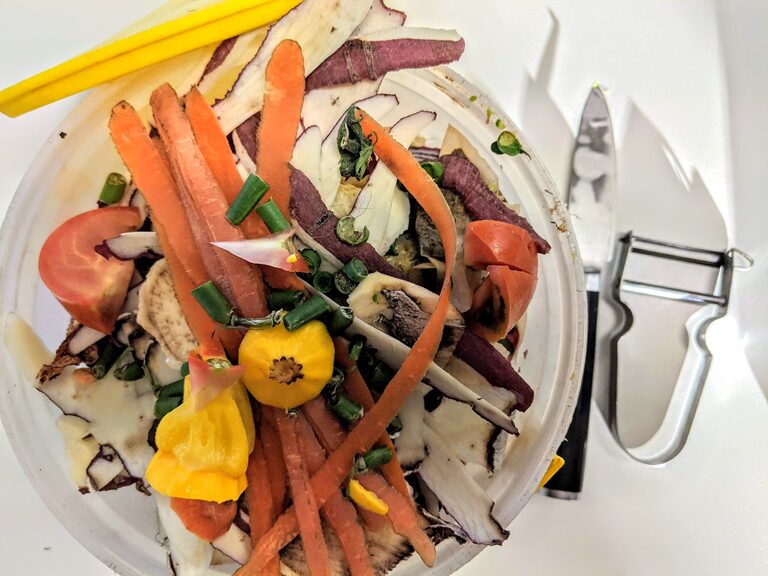
Reducing food waste at home is an achievable goal that benefits both your wallet and the planet. Food waste contributes to environmental problems like greenhouse gas emissions and unnecessary use of resources. Fortunately, by making small changes in how we shop, store, and use food, we can significantly cut down on waste. This guide outlines practical ways to reduce food waste in your daily life.
Understanding Food Waste at Home
Before diving into solutions, it’s helpful to understand common causes of food waste. Often, food is discarded because it spoils before it is eaten, or because leftovers are forgotten. Other times, people buy more than they need or throw away edible parts of food.
By addressing these issues, you can create habits that reduce waste and make mealtime more efficient.
1. Plan Your Meals Ahead
Meal planning is one of the most effective ways to reduce food waste.
– Make a Weekly Menu: Decide what you’ll eat each day so you only buy what you need.
– Check Your Pantry First: Use ingredients you already have before buying more.
– Create a Shopping List: Stick to it to avoid impulse buys.
Planning helps you avoid excess food that might go unused.
2. Shop Smart
When grocery shopping, consider the following tips:
– Buy Loose Produce: This allows you to purchase just the right amount.
– Choose Smaller Packages: If you live alone or have a small household, smaller portions can help reduce leftovers.
– Avoid Bulk Buys Unless Necessary: Bulk buying is good for non-perishables but can lead to waste for fresh items.
Shopping thoughtfully reduces the chance of food spoiling before you can use it.
3. Store Food Properly
Proper storage extends the life of your food and keeps it fresh longer.
– Know Your Refrigerator Zones: Some areas are colder than others; store perishable items accordingly.
– Use Airtight Containers: Keep leftovers and opened packages sealed.
– Keep Fruits and Vegetables Separate: Some fruits emit gases that speed up vegetable spoilage.
– Label and Date Foods: This keeps you aware of what needs to be eaten first.
Good storage habits slow down spoilage and help you use food efficiently.
4. Understand Food Labels
Food labels like “best before” or “use by” can be confusing.
– “Best Before” refers to quality, not safety. Food may still be safe to eat after this date.
– “Use By” indicates when food should be consumed for safety.
Using your senses to check food—smell, look, and texture—can help prevent unnecessary tossing.
5. Get Creative with Leftovers
Leftovers can become delicious meals with a little creativity.
– Repurpose Ingredients: Use cooked vegetables in soups or stir-fries.
– Freeze Extras: Portion out leftovers and freeze them for future meals.
– Make Stock from Scraps: Vegetable peels and bones can be boiled to make flavorful stock.
Turning leftovers into new dishes helps you enjoy every bit of your food.
6. Practice Portion Control
Cooking or serving too much food often leads to uneaten leftovers that may go to waste.
– Start with Smaller Portions: You can always have seconds if you’re still hungry.
– Use Smaller Plates: This can help reduce the tendency to over-serve.
– Adjust for Each Meal: Be mindful of how much your household typically eats.
Being mindful about portions helps reduce the amount of food discarded.
7. Compost Food Scraps
Some food waste is unavoidable, but you can reduce landfill contributions by composting.
– Set Up a Compost Bin: Many communities have composting programs or you can start one at home.
– Compost Fruit and Vegetable Peels: These materials break down quickly into nutrient-rich soil.
– Avoid Composting Meat or Dairy: These are harder to compost and can attract pests.
Composting turns scraps into something useful and supports a healthy garden.
8. Educate Your Household
Involve everyone in your home in food waste reduction efforts.
– Share Tips and Knowledge: Teach family members about the importance of reducing waste.
– Assign Responsibilities: For example, designate someone to check the fridge regularly.
– Make It a Fun Challenge: See who can create meals with the least waste.
Working together makes it easier to maintain good food habits.
Conclusion
Reducing food waste at home is a simple but powerful way to make a positive impact. By planning meals, shopping thoughtfully, storing food properly, and getting creative with leftovers, you can save money, reduce environmental impact, and enjoy your meals even more. Start with one or two changes today and build from there—every bit helps!