Creative Tips for Keeping Kids’ Art Organized and Clutter-Free
Keeping your kids’ artwork organized can feel like a big challenge for many parents. With little hands constantly creating colorful drawings, paintings, and crafts, it’s easy for art projects to pile up and overwhelm your space. However, maintaining an organized system is possible and can help you cherish these precious creations while keeping your home tidy.
In this post, we’ll explore practical tips and creative ideas for organizing kids’ art at home. Whether you want to display favorites or safely store everything, these strategies will help you find balance.
Why Organize Kids’ Artwork?
Kids’ art is a wonderful expression of creativity and development. Keeping it organized benefits both you and your child by:
– Preserving memories long-term
– Reducing clutter and mess
– Encouraging pride and self-esteem in the child
– Creating a dedicated space for creativity
Organizing doesn’t mean you have to keep every single piece. Thoughtful selection and a system for sorting will keep things manageable.
1. Set Up a Dedicated Art Space
Having a specific area in your home dedicated to art can help contain supplies and completed projects. This space might be:
– A corner of a playroom or bedroom
– A small desk with storage bins
– A wall with clipboards or magnetic boards for display
When kids know where their art “lives,” it encourages responsibility in tidying up and organizing their work.
Storage Tips for the Art Space
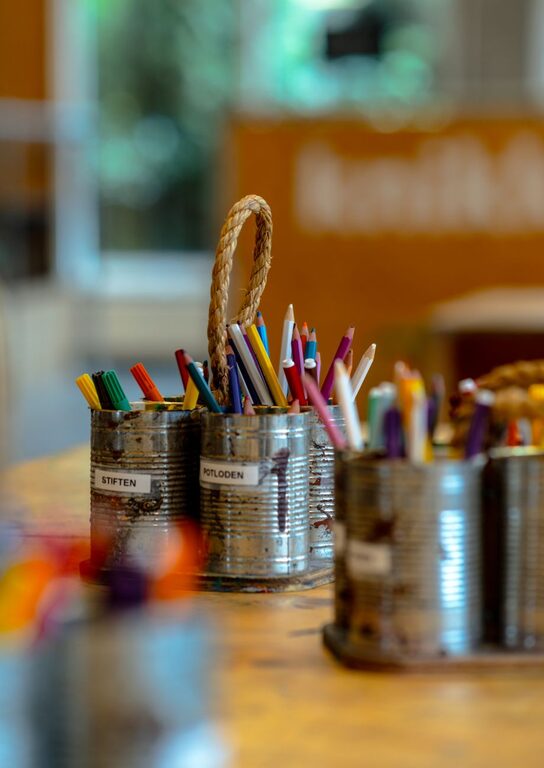
– Use clear plastic bins with labels for supplies and finished pieces
– Install shelves or cubbies to keep materials accessible but neat
– Keep a bin or basket specifically for art waiting to be sorted
2. Create a Display Area
Displaying art boosts your child’s confidence and turns your home into a mini gallery. Here are some display ideas:
– String up a wire or clothesline with clothespins to hang seasonal or current art
– Use frames with easy-open backs to swap out pieces regularly
– Magnetic boards or corkboards allow for quick changes
– Photo books or digital slideshows can showcase art digitally
Rotate displays often to keep things fresh and exciting for your child.
3. Sort and Categorize Regularly
Avoid an overwhelming pile by sorting artwork on a regular schedule—weekly or monthly. When sorting, consider:
– Favorites to keep and display
– Pieces to photograph and recycle
– Projects for gifting to family members
You can keep “seasonal” or age-based folders to track progress over time.
4. Use Portfolios and Binders
Portfolios and binders are great for storing flat artwork neatly without folding or damage. Tips for using them effectively:
– Use acid-free sleeves to prevent paper deterioration
– Label by year or age group to track milestones
– Use large artist portfolios for oversized pieces
This method keeps art flat, organized, and easy to browse.
5. Digitize Artwork for Long-Term Storage
Digital archiving is a popular way to preserve artwork without physical clutter. Here’s how to do it:
– Take photos or scan artwork with a smartphone or scanner
– Organize digital files by date, theme, or child’s name
– Create photo books or slideshows as keepsakes
– Share digital copies easily with friends and family
Digital storage lets you keep every masterpiece without the mess.
6. Repurpose Art into Gifts and Crafts
Sometimes, turning artwork into something new adds extra meaning and value. Consider:
– Creating custom greeting cards or calendars from scanned art
– Making magnets or coasters with favorite pieces
– Laminating drawings for placemats or bookmarks
– Using scraps for collages or new crafts
This approach celebrates the art in creative and useful ways.
7. Establish Clear Limits and Teach Organization
Setting limits on how much art to keep helps manage clutter. Involve your child by:
– Explaining why not every piece can be saved
– Choosing favorites together for portfolios or display
– Developing an art routine for cleanup and storage
– Encouraging respect for shared spaces
Teaching organization skills early helps kids develop responsibility.
8. Regularly Reassess and Declutter
Art collections can grow quickly. Set reminders to review and declutter every few months. Use these questions:
– Is this piece meaningful or unique?
– Does it represent an important milestone or achievement?
– Could this artwork be digitized and recycled?
Letting go doesn’t mean forgetting—it means making room for new creations and memories.
—
By setting up systems that work for your family and keeping a balance between preservation and clutter control, you’ll enjoy your kids’ art without the stress. Celebrate their creativity while maintaining a peaceful, organized home environment—everyone wins!
Remember, the goal is not perfection but thoughtful care. Happy organizing!