
Tips for Choosing Comfortable Home Lighting for Every Room
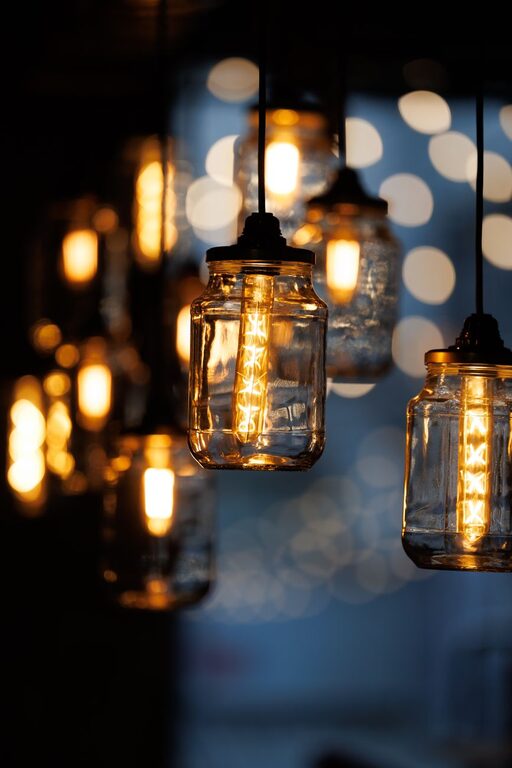
Creating a comfortable and inviting home environment often starts with the right lighting. Proper lighting enhances mood, supports daily activities, and improves the overall aesthetic of your living space. However, choosing the best home lighting can feel overwhelming with many options on the market. This guide offers clear, practical tips to help you select comfortable lighting for every room in your house.
Understanding Comfortable Lighting
Comfortable lighting refers to illumination that is easy on the eyes, enhances the room’s atmosphere, and suits the activities you perform there. It balances brightness, color temperature, and placement to avoid glare or shadows and creates a welcoming space.
Key factors to consider include:
– Brightness: Sufficient light without causing strain
– Color temperature: Warm or cool tones that fit the room’s mood
– Lighting layers: Combining different types to add depth and flexibility
Consider the Purpose of Each Room
Different rooms have different lighting needs based on their functions.
Living Room
The living room is a space for relaxing, socializing, and sometimes working or watching TV. Choose lighting that can adapt to these varied activities.
– Use layered lighting: combine ambient light (ceiling fixtures), task light (reading lamps), and accent light (wall sconces or picture lights).
– Opt for dimmable lights to adjust brightness according to mood and time of day.
– Select warm white bulbs (2700K to 3000K) to create a cozy atmosphere.
Kitchen
Kitchens require bright, clear lighting to ensure safety and efficiency during food preparation.
– Install bright, cool white bulbs (3500K to 4100K) for accurate color rendering.
– Use under-cabinet lighting to illuminate countertops and work areas.
– Consider adjustable ceiling lights to cover the entire space evenly.
Bedroom
Bedroom lighting should promote relaxation and comfort.
– Choose soft, warm lighting to create a restful environment.
– Bedside lamps or wall sconces work well for reading without disturbing others.
– Consider installing dimmers to control light levels, helping to ease into sleep.
Bathroom
Bathrooms need a combination of functional and flattering lighting.
– Use bright, neutral white light (around 4000K) to enhance visibility.
– Include vanity lights around mirrors to reduce shadows on the face.
– Ensure fixtures are rated for damp locations for safety.
Focus on Color Temperature
Color temperature, measured in Kelvin (K), affects how light looks and feels.
– Warm light (2700K–3000K): Appears yellowish and cozy, ideal for living rooms and bedrooms.
– Neutral light (3500K–4100K): Balanced white light, suitable for kitchens, bathrooms, and workspaces.
– Cool light (5000K+): Bright, bluish light that can help with focus but may feel harsh if overused.
Aim to use warmer tones in living spaces for comfort and cooler tones where clarity is needed.
Choose the Right Bulb Types
Different bulb technologies offer various benefits:
– LED bulbs: Energy-efficient, long-lasting, and available in many color temperatures.
– CFL bulbs: Less energy-consuming than incandescent but contain a small amount of mercury.
– Incandescent bulbs: Provide warm light but use more energy and have shorter lifespans.
LED lighting is generally the best choice for home use due to flexibility, cost-effectiveness, and environmental benefits.
Use Dimmers and Smart Controls
Dimmers let you adjust brightness levels to suit different times and activities. Installing dimmer switches can help reduce eye strain and save energy.
Smart lighting systems allow you to control lights using apps or voice commands, schedule changes, or set moods. These are convenient options that enhance comfort and offer customization.
Pay Attention to Fixture Placement
Where and how you position your lighting fixtures makes a big difference.
– Avoid placing lights directly overhead in areas where you will sit or work as they can cause glare.
– Position task lighting close to work surfaces or reading areas.
– Use accent lighting to highlight artwork, architectural features, or plants, adding visual interest without overwhelming brightness.
Consider Natural Light Integration
Maximizing natural daylight reduces the need for artificial light and boosts well-being.
– Use sheer curtains or blinds to diffuse natural light.
– Position mirrors to reflect daylight deeper into rooms.
– Choose light-colored walls and furnishings to brighten the space naturally.
Final Tips for Comfortable Home Lighting
– Test various lighting options before committing to purchases.
– Mix lighting types for flexibility rather than relying on a single source.
– Remember that your lighting needs may change with seasons and activities.
– Choose fixtures and bulbs that complement your home’s style while prioritizing comfort.
– Keep energy efficiency in mind to save on utility costs and reduce environmental impact.
—
By carefully considering these aspects of home lighting, you can create spaces that are both comfortable and functional. Thoughtful lighting selection brings warmth, enhances your décor, and supports your daily routines for a truly welcoming home.